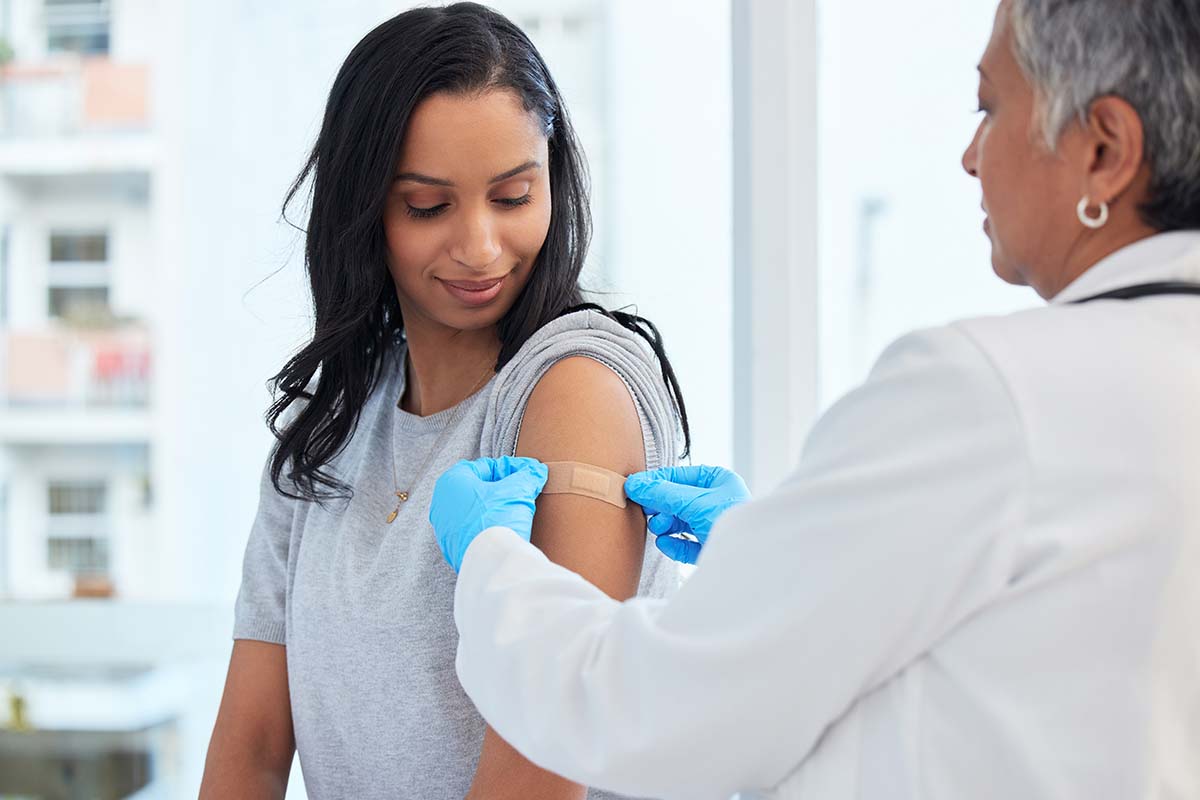
Vaccinations aren’t just for kids. When it comes to women’s health, immunizations are another tool that helps protect us against preventable diseases like Human Papillomavirus (HPV) and Hepatitis B. By keeping up with your vaccine recommendations, you’re not only taking steps to keep yourself healthy right now, you’re also taking steps to keep yourself healthy in the future. The following list of important vaccinations for all women and why they matter.
The HPV Vaccine: Protection Against Cervical Cancer
The Human Papillomavirus (HPV) is a common infection that is linked to several cancers, including most cases of cervical cancer. Cervical cancer was once one of the most common causes of cancer deaths for women in the United States. Still, in recent years, the number has dropped significantly with increased use of pap smears and greater awareness of the condition. The HPV vaccine also plays a role in this decline.
Apart from cervical cancer, the HPV vaccine also protects against other cancers caused by HPV, such as cancer of the vagina, vulva, anus, mouth, throat, head and neck. So, the vaccine, on its own, can provide a substantial amount of protection against common and lesser-known cancers.
The HPV vaccine (Gardasil 9) is approved by the U.S. Food and Drug Administration (FDA) and can be given to those 9-45 years old. The vaccine can be given at the same time as other vaccines.
Many women, from 9-45 years old, would benefit from the use of this vaccine. Therefore, if you have not yet received it, speak to your doctor to determine how it can help.
Hepatitis B Vaccine: Protecting Your Liver
Hepatitis B is a liver infection caused by the hepatitis B virus (HBV). Hepatitis B is spread when blood, semen, or other body fluids from a person infected with the virus enter the body of someone who is not infected. This can happen through sexual contact, sharing needles, syringes, or other drug-injection equipment, or during pregnancy or delivery. But hepatitis B is preventable -if the Hepatitis B Vaccine is taken.
The Hepatitis B Vaccine is given as a series of vaccines, and getting this immunization series as early as possible provides valuable defense for all adults. The vaccine is recommended to all adults aged 19–59 years and those over 60 years with known risk factors for Hepatitis B.
Overall Benefits of Vaccinations
The impact of vaccinations on women’s health extends well beyond the prevention of specific diseases. In general, the benefits of vaccinations include:
- Healthy Living – Routine vaccinations help prevent common culprits like influenza, shingles, and pneumonia. Staying illness-free translates to a better quality of life and decreased risk of complications from preventable diseases.
- Pregnancy Protection – In pregnancy, up-to-date vaccinations, including whooping cough Tdap and tetanus, protect you and your developing baby. A mother’s immunity to certain viruses gets passed on to the baby until their immune system kicks in. If you plan to conceive soon, check your vaccination status (e.g., MMR, Chickenpox, Flu). Some vaccines cannot be given to pregnant/breastfeeding women.
- A new vaccine has been approved for RSV that is given during certain times of the year and for pregnant women between 32-36 weeks gestation.
- Peace of Mind – Knowing that you’re armed against preventable illnesses adds an invaluable layer of reassurance, promoting a proactive focus on healthy habits and reducing potential healthcare worries.
Risks vs. Benefits
All medical decisions require the consideration of both benefits and potential risks. Here is a breakdown of both when it comes to vaccines.
- Safety – Most vaccines undergo rigorous approval processes via the Food and Drug Administration, demonstrating safety and effectiveness. If you’re worried about vaccine safety, it is essential to consult your doctor. They can address questions and provide an informed assessment personalized to your health situation and concerns.
- Side Effects – Side effects for most vaccines, when present, tend to be mild and brief. The vast majority of recipients never experience major adverse events from vaccination. This can be discussed with your doctor for detailed information about specific side effects related to a particular vaccine.
- Benefits – Vaccines are considered safe and effective interventions that reduce the risk of medical illness, death, and complications resulting from infection. Start by speaking to your doctor about what vaccines are recommended based on your health, age, and lifestyle. At this point, if you have concerns about vaccine safety, use open discussion with your healthcare team to get reliable information based on your health history and specific worries.
The health of all women changes with time, age, periods of reproduction, and overall wellness. Embracing preventative care – with vaccination as a core component – is important to your well-being. Empowering yourself with knowledge and having open discussions with your doctor ensures you can stay healthy now and in the future.