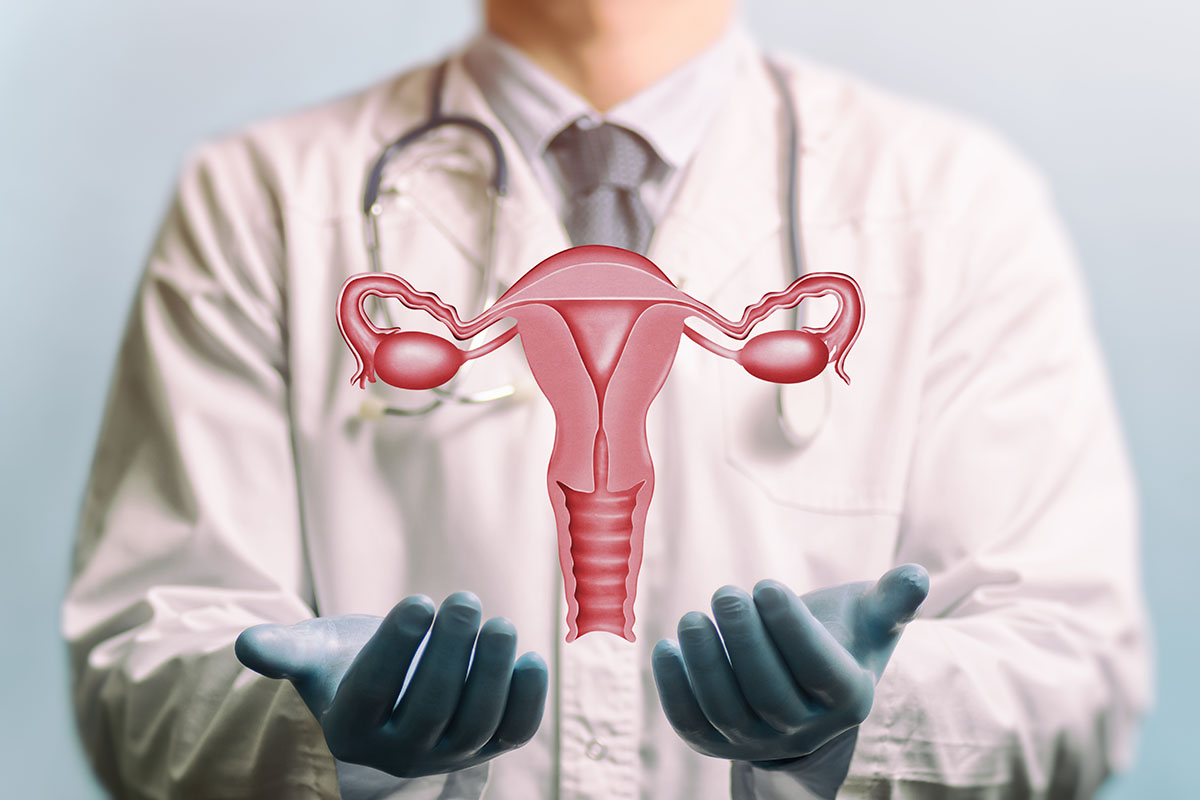
Abnormal vaginal bleeding is any vaginal bleeding that happens unexpectedly or outside of what is considered ‘normal’ for you. It can also refer to a menstrual cycle that suddenly becomes heavier, lighter or more erratic than usual.
Vaginal bleeding may be considered abnormal in some of the following cases:
- Menstrual periods that are particularly heavy (ie. needing to change a pad or tampon every hour or two)
- Menstrual periods that last longer than seven days (menorrhagia)
- Menstrual periods that are light or irregular
- Menstrual periods that are absent
- Bleeding in between periods (ie. small spotting of small amounts of blood between periods)
- Bleeding after menopause
Causes of abnormal vaginal bleeding
Common causes of abnormal vaginal bleeding include
- Endometriosis
- Fibroids
- Polycystic ovarian syndrome (PCOS)
- Menopause related bleeding
- Bleeding related to medications – ie. Birth control pills or an IUD
This is not an exhaustive list of all the possible causes of abnormal vaginal bleeding. It only represents some common causes. If you are experiencing vaginal bleeding that seems abnormal, regardless of the cause, make an appointment to see your doctor.
Endometriosis
Endometriosis is a medical condition in which cells that normally line the inside of the uterus (the endometrium) begin to grow on the outside of the uterus instead. Endometriosis commonly involves the ovaries, fallopian tubes and tissue lining the inside of the pelvis. Endometriosis can lead to symptoms of:
- Pelvic pain (often associated with periods)
- Heavy bleeding
- Cramping
- Painful intercourse
- Pain during bowel movements or urination
Speak to your doctor as soon as possible if you notice any of these symptoms. Left untreated, endometriosis can cause problems with future fertility or lead to pregnancy complications.
Diagnosis
Endometriosis can be diagnosed by your doctor after a full examination. Ultrasound testing or blood tests may also be required.
Treatment
The treatment of endometriosis will be based on the severity of your symptoms, severity of the disease and your wish to have children in the future. Treatment options range from medications to surgery. All options, their risks and benefits will always be discussed in full with patients.
Fibroids
Uterine fibroids are non-cancerous growths of the uterus that often appear in women during their reproductive years. Fibroids vary in size and shape and can be as small as a pea or as big as a melon. Interestingly, most fibroids do not cause symptoms and usually go unnoticed.
In the cases where fibroids become large in size or press on other organs they can begin to produce symptoms.
Common symptoms of fibroids are
- Heavy menstrual bleeding that may include clots
- Pelvic pain or severe menstrual cramps
- Unexpected bleeding in between periods
- Increased urination frequency
Treatment
The treatment of fibroids will depend on the size and location of the fibroid. It will also depend on your personal medical history and plans to have children in the future. Treatment options range from medications to contraceptive pills and surgery.
Polycystic ovarian syndrome
Polycystic ovarian syndrome (PCOS) is a medical condition caused by an imbalance of the reproductive hormones estrogen and progesterone. Because these hormones are so important to our bodily functions, the body maintains tight control over the amounts produced. In PCOS, the delicate balance of these hormones becomes disrupted. This leads to symptoms such as:
- Irregular periods (i.e. an infrequent, heavy or prolonged menstrual cycle)
- Acne
- Excess facial and body hair
- Weight gain and infertility
PCOS is extremely common but most women first find out they have PCOS when they experience problems conceiving.
Diagnosis
Your doctor will take a full medical history and carry out a physical exam. In some cases they may also order a blood test or scan to confirm the diagnosis or rule out other possibilities.
Treatment
There is no definitive cure for PCOS however there are many ways to help manage its symptoms. These options may include birth control pills, changes to diet and lifestyle or other medications. PCOS is best managed through a number of methods. Speak to your doctor to discuss the most suitable choices for you.
Abnormal bleeding after menopause
Bleeding after menopause is a big concern. All women who experience bleeding (no matter how slight) after menopause should make an appointment to see their doctor promptly. Bleeding after menopause may point to a minor condition such as uterine polyps, fibroids or vaginal atrophy. However, it could also be caused by something more serious. Speak to your doctor if you have noticed any bleeding after going through menopause.