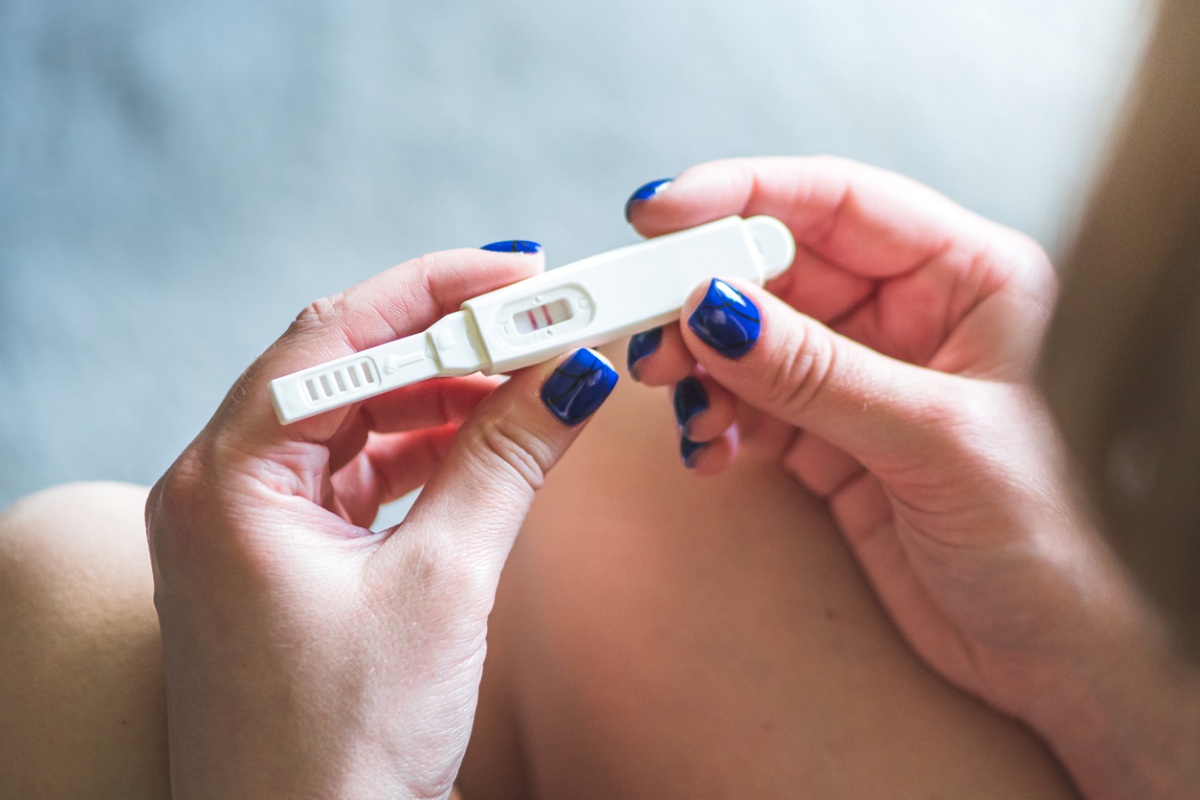
Fertility awareness is a category of methods used to track your menstrual cycle and identify when you are most likely to get pregnant. Some women use these methods to avoid pregnancy without hormones, while others use them to time intercourse for conception. You may also hear them called natural family planning.
These methods work by recognizing signs of ovulation to calculate the timing of your fertile window, then using that information to guide decisions. Fertility awareness can be a good option if you want a hormone-free approach, but it does require consistency, education, and a realistic understanding of how the body works.
Understanding Your Fertile Window
Ovulation is when an ovary releases an egg. The egg can be fertilized for about 12 to 24 hours after release. Sperm, however, can survive in the reproductive tract for several days. That means the fertile window is longer than one day.
In most cycles, the fertile window includes the five days before ovulation and the day of ovulation itself. Stress, travel, illness, or lifestyle changes can shift when ovulation occurs — learn more about how stress affects your menstrual cycle. That is why fertility awareness focuses on real-time body signs rather than calendar estimates alone.
Types of Fertility Awareness Methods
The Calendar Method
This method estimates fertile days based on past cycle length. You track period start dates for several months and use those patterns to predict ovulation. It can be a helpful starting point, but because it predicts rather than detects ovulation, it is usually not the most reliable option on its own, especially if your cycle is irregular.
The Basal Body Temperature Method
After ovulation, progesterone causes a small but measurable temperature increase. Tracking this pattern can confirm that ovulation occurred. Taking your basal body temperature (BBT) each morning before getting out of bed is the best way to measure this temperature increase. However, since the temperature rise happens after ovulation, many women pair BBT with other signs for pregnancy prevention.
The Cervical Mucus Method
Cervical mucus changes throughout your cycle. As ovulation approaches, mucus typically becomes more abundant, clear, slippery, and stretchy. After ovulation, it often becomes thicker or less noticeable. This method can help identify the start of the fertile window and can be very effective when tracked consistently, although infections, medications, and postpartum changes can affect mucus patterns.
The Symptothermal Method
This method combines multiple signs, usually cervical mucus and BBT, and sometimes cervical position or ovulation pain. Because it cross-checks multiple indicators, many women find it provides more confidence. It is one of the most structured fertility awareness approaches and can work well for both achieving and preventing pregnancy.
Ovulation Predictor Kits (OPKs)
OPKs detect the surge in luteinizing hormone that occurs shortly before ovulation. They can be helpful for timing intercourse when trying to conceive. For pregnancy prevention, OPKs are not typically used alone since ovulation can follow the surge quickly and sperm can survive for days.
Using Fertility Awareness to Get Pregnant
If your goal is pregnancy, fertility awareness can help you identify the best days for intercourse. In most cases, the highest chance of conception is in the days leading up to ovulation and the day of ovulation itself. Many couples find it helpful to have intercourse every one to two days during the fertile window.
If you have been trying for several months without success, preconception counseling can help your provider evaluate whether you are ovulating regularly and identify any factors that may be affecting your fertility.
Using Fertility Awareness to Prevent Pregnancy
If your goal is pregnancy prevention, the method you choose and your consistency in tracking fertility windows are important. Fertility awareness typically involves avoiding unprotected intercourse during fertile days. Some couples abstain during that window, while others use barrier protection.
It is important to consider what you can realistically follow. If daily tracking feels difficult or abstaining during fertile days is not something you are comfortable with, this approach may feel stressful. Fertility awareness works best when you have clear instructions, reliable tracking, and a plan for fertile days.
Common Challenges
Irregular cycles from conditions like polycystic ovarian syndrome (PCOS), thyroid issues, high stress, or breastfeeding can make fertile windows harder to predict. Methods that rely on real-time physical signs rather than calendar estimates may be more helpful in these situations.
After childbirth, ovulation can return before your first period, and mucus and temperature patterns may be harder to interpret. If you are considering fertility awareness and you are postpartum, it is wise to discuss timing and method selection with your provider — postpartum care visits are a good opportunity to address these questions.
Temperature tracking can also be affected by poor sleep, illness, alcohol, and travel. If you notice unusual discharge, odor, or irritation, address that first, as vaginal infections can change mucus patterns.
Getting Started With Confidence
Start simple. Many women do best when they begin with one or two signs, such as tracking period start dates and observing cervical mucus, then adding BBT later. The goal is consistent tracking that helps you recognize patterns over time.
Fertility awareness is often more successful when learned from a trained educator or structured program. If apps have left you confused, clearer rules and education around interpretation can help you to better understand your cycles.
If your cycles are very irregular, you suspect you are not ovulating, or you are trying to conceive without progress, it is worth bringing those concerns to your provider.
How We Can Help With Cycle Tracking and Family Planning
At Legacy For Women, we help patients understand their cycles and choose the approach that fits their health needs and goals. Whether you are hoping to conceive, looking for a hormone-free option, or trying to make sense of irregular cycles, you can bring your questions to your visit. Schedule an appointment to discuss fertility awareness methods, review your cycle patterns, and create a plan that supports your health.