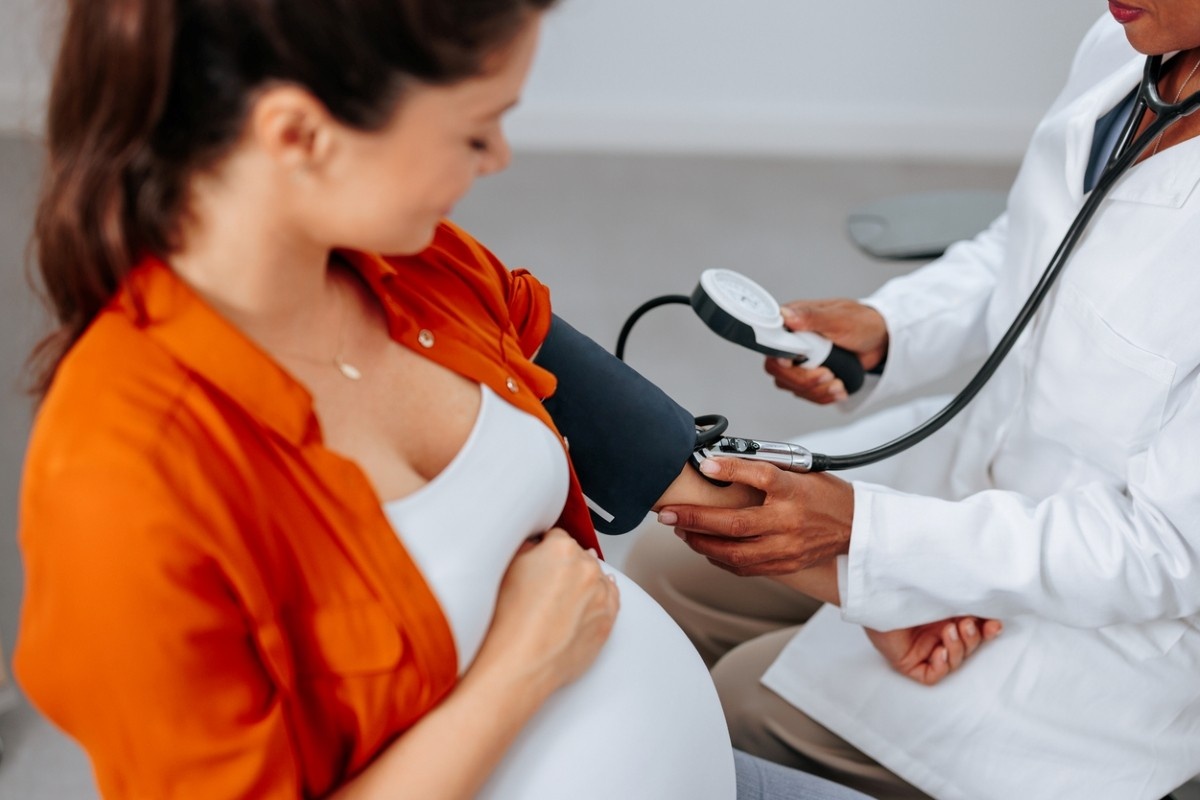
Pregnancy is a time of significant change for your body, and one of the most important aspects of prenatal care is monitoring your blood pressure. While some changes in blood pressure can be normal, consistently high readings during pregnancy may signal gestational hypertension. This condition affects both mother and baby, and recognizing it early is key to protecting your health and ensuring a safe delivery.
What Is Gestational Hypertension?
Gestational hypertension is high blood pressure that develops after 20 weeks of pregnancy in a woman who previously had normal blood pressure. It is diagnosed when the systolic pressure (the top number) is 140 mmHg or higher, and/or the diastolic pressure (the bottom number) is 90 mmHg or higher on at least two separate occasions, at least four hours apart, after 20 weeks gestation.
Unlike chronic hypertension, which is present before pregnancy or before 20 weeks, gestational hypertension starts in the second half of pregnancy and often resolves after delivery. However, it can progress to more serious conditions if not monitored and treated.
How It Differs From Preeclampsia
Gestational hypertension and preeclampsia are related but not the same. The key difference is that preeclampsia involves high blood pressure along with signs of damage to other organs, such as the kidneys or liver. Preeclampsia is diagnosed when high blood pressure is accompanied by protein in the urine or evidence of organ dysfunction, such as elevated liver enzymes, low platelets, or signs of kidney impairment.
Gestational hypertension can progress to preeclampsia, which is why close monitoring is so important. Your provider will watch for symptoms like headaches, visual changes, swelling in the hands and face, or abdominal pain, which may indicate that the condition is becoming more serious.
Who Is at Risk?
Gestational hypertension can happen to anyone, but certain factors increase the likelihood of developing it.
Common risk factors include:
- Being pregnant for the first time
- Carrying multiples (twins, triplets, etc.)
- Being over the age of 35
- Having a family history of high blood pressure or preeclampsia
- Having a high body mass index (BMI) before pregnancy
- Experiencing gestational hypertension in a previous pregnancy
- Having certain medical conditions such as diabetes or kidney disease
Why Gestational Hypertension Matters
Even if you feel well, high blood pressure during pregnancy can affect both your health and your baby’s development.
For mothers, gestational hypertension increases the risk of:
- Progression to preeclampsia
- Placental abruption (when the placenta separates from the uterus too early)
- Organ damage in severe cases
For babies, the condition can lead to:
- Poor growth due to reduced blood flow through the placenta
- Preterm birth if early delivery is necessary for the health of the mother or baby
- Low birth weight
- The good news is that with early detection and proper management, most women with gestational hypertension go on to have healthy pregnancies and healthy babies.
How It’s Diagnosed
Gestational hypertension is usually discovered during routine prenatal visits, which is why regular appointments are so important. Blood pressure is checked at each visit, and if it is high, your provider will retest it to confirm the reading.
If gestational hypertension is suspected, your provider may order additional tests to ensure there are no signs of preeclampsia. These may include:
- Urine tests to check for protein
- Blood tests to monitor kidney and liver function
- Ultrasounds to check the baby’s growth and amniotic fluid levels
- Non-stress tests to monitor the baby’s heart rate and overall well-being
Management and Treatment Options
The goal of managing gestational hypertension is to keep blood pressure at a safe level for both mother and baby while preventing progression to more serious conditions.
Your care plan will depend on how far along you are in your pregnancy, how high your blood pressure is, and whether any complications are present.
Treatment strategies may include:
Lifestyle adjustments
Your provider may recommend changes that support healthy blood pressure, such as eating a balanced diet, reducing salt intake, staying physically active with safe prenatal exercises, and getting enough rest.
More frequent monitoring
You may need to see your provider more often for blood pressure checks, urine tests, and ultrasounds. Some women also monitor their blood pressure at home between visits.
Medication
If your blood pressure remains high despite lifestyle measures, your provider may prescribe medication that is safe for pregnancy. Not all blood pressure medicines are suitable during pregnancy, so it’s important to follow your provider’s guidance.
Hospital monitoring
In more severe cases, you may need to spend time in the hospital so your provider can closely watch both you and your baby.
Early delivery
If your blood pressure cannot be controlled or if your health or your baby’s health is at risk, your provider may recommend inducing labor or performing a cesarean delivery before your due date. This decision is made carefully, balancing the risks of early delivery with the risks of continuing the pregnancy.
What You Can Do to Lower Your Risk
While you cannot completely prevent gestational hypertension, there are steps you can take to reduce your risk and support your overall health during pregnancy.
- Keep all prenatal appointments so your provider can catch any changes early
- Follow a healthy diet rich in fruits, vegetables, lean proteins, and whole grains
- Stay active with safe prenatal exercises, unless your provider advises otherwise
- Drink plenty of water and avoid excessive salt (limit sodium intake to less than 2,300 mg per day)
- Get adequate sleep and manage stress through relaxation techniques
- Report any new symptoms to your provider right away, especially headaches, vision changes, or sudden swelling
Life After Gestational Hypertension
In most cases, blood pressure returns to normal after delivery. However, having gestational hypertension increases your risk of developing high blood pressure or heart disease later in life. Women with a history of gestational hypertension have up to twice the risk of developing chronic hypertension, stroke, or cardiovascular disease later in life.
Your provider may recommend follow-up blood pressure checks in the weeks after birth and routine screenings in the years that follow. Maintaining a healthy lifestyle after pregnancy can help reduce your future risk.
If you experienced gestational hypertension in one pregnancy, your risk is higher in future pregnancies, but early and consistent prenatal care can help manage that risk.
Gestational hypertension is a condition that requires attention, but with today’s prenatal care, it can often be managed effectively. The most important steps are attending all prenatal appointments, following your provider’s recommendations, and knowing the warning signs to watch for.
At Legacy For Women, we work closely with our patients to monitor blood pressure, support healthy pregnancies, and take action when needed to protect both mother and baby.
If you are pregnant or planning to become pregnant, schedule a prenatal visit today to learn how we can help you have the healthiest pregnancy possible.