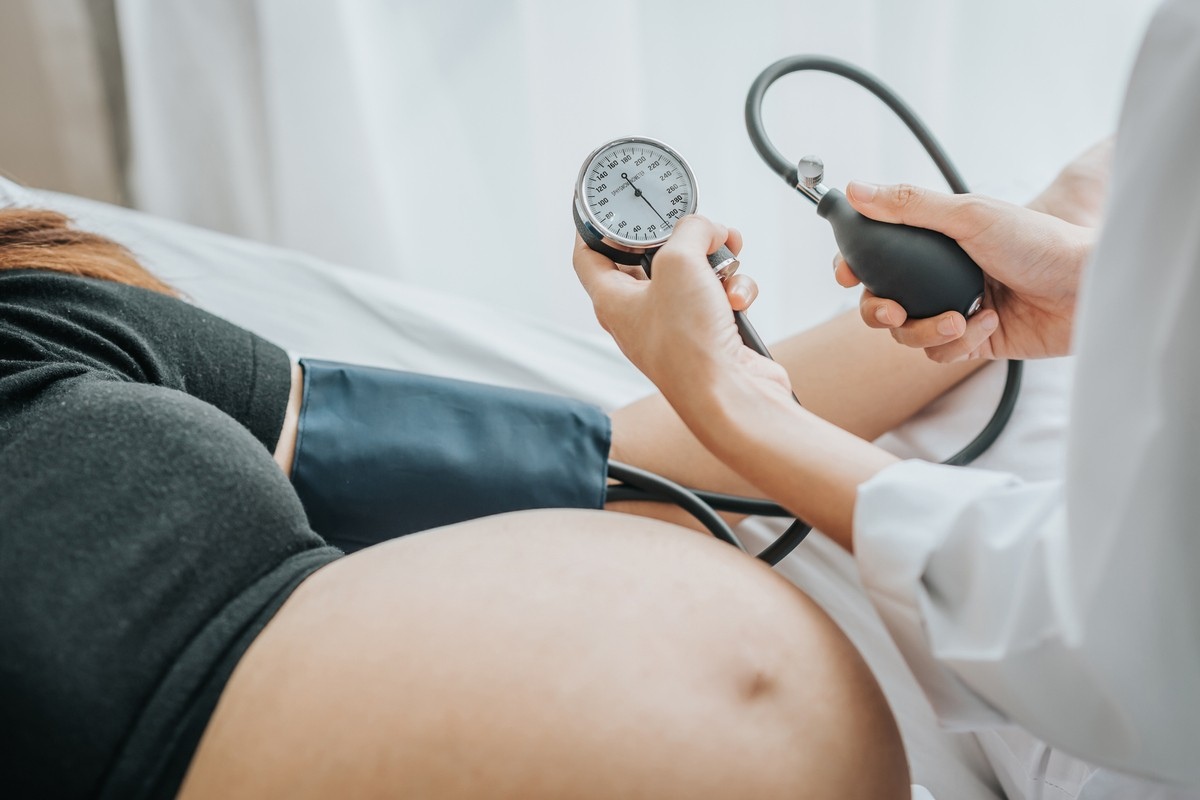
Gestational hypertension is high blood pressure that develops after 20 weeks of pregnancy in women who had normal blood pressure before. It affects about 6–8% of pregnancies in the United States. Unlike preeclampsia, gestational hypertension does not include protein in the urine or signs of organ damage. Still, it requires close monitoring because it can progress to more serious conditions and affect both mom and baby.
What Counts as High Blood Pressure in Pregnancy
A normal blood pressure reading is below 120/80. Providers diagnose gestational hypertension when blood pressure reaches 140/90 or higher on two separate readings, taken at least four hours apart, after the 20-week mark. Readings of 160/110 or higher are considered too high and warrant urgent attention. Your provider will check your blood pressure at every prenatal visit, which is one reason regular appointments matter so much during pregnancy.
Risk Factors to Know About
Some women are more likely to develop gestational hypertension than others. Risk factors include being pregnant for the first time, carrying twins or multiples, being over age 35, having a family history of pregnancy-related high blood pressure, or living with obesity, diabetes, or kidney disease. Women who had high blood pressure in a previous pregnancy also face higher odds of it returning.
When It’s Time to Call Your OB
Gestational hypertension often does not cause symptoms, which is why blood pressure checks are so important. But certain symptoms should prompt a call to your provider right away:
- Severe or constant headaches that do not go away with rest
- Vision changes like blurriness, seeing spots, or sensitivity to light
- Sudden swelling in the hands, face, or around the eyes
- Pain in the upper right side of the abdomen
- Sudden weight gain of more than two pounds in a week
- Trouble breathing or chest pain
These can be signs that gestational hypertension is progressing toward preeclampsia, a more serious condition that involves protein in the urine and possible damage to your liver and kidneys.
How It Differs From Preeclampsia
The two conditions are related but not the same. Gestational hypertension involves only elevated blood pressure. Preeclampsia includes high blood pressure plus protein in the urine or signs of organ problems. About one in four women with gestational hypertension will go on to develop preeclampsia, especially when it shows up before 32 weeks of pregnancy.
What Monitoring and Treatment Look Like
If you are diagnosed with gestational hypertension, your provider will likely want to see you more often. Visits may include blood pressure checks, urine tests to look for protein, blood work, and ultrasounds to check on your baby’s growth and amniotic fluid. Some women also monitor their blood pressure at home.
Treatment depends on how high your blood pressure is and how far along in your pregnancy you are. Mild cases may only need monitoring and rest. More serious cases sometimes require medication that is safe to take during pregnancy. In some situations, your provider may recommend early delivery to protect both you and your baby. This kind of close oversight is part of our obstetric care for higher-risk pregnancies.
What This Means for Your Heart Down the Road
Even after pregnancy, gestational hypertension can have long-term effects. Research shows women who had high blood pressure during pregnancy face a higher risk of cardiovascular disease later in life, including chronic high blood pressure, heart disease, and stroke. The good news is that knowing your history gives you a head start. Healthy habits like regular exercise, a balanced diet, not smoking, and routine checkups with your provider can lower your risk over time.
Caring for You Through Pregnancy and Beyond
If you are pregnant and notice any of the warning signs above, do not wait to reach out. Legacy For Women OB/GYN provides comprehensive prenatal care and high-risk pregnancy management for women across Henderson and the Las Vegas area. To schedule a prenatal visit or talk with a provider about your blood pressure, call (725) 777-0414 or request an appointment through our website.