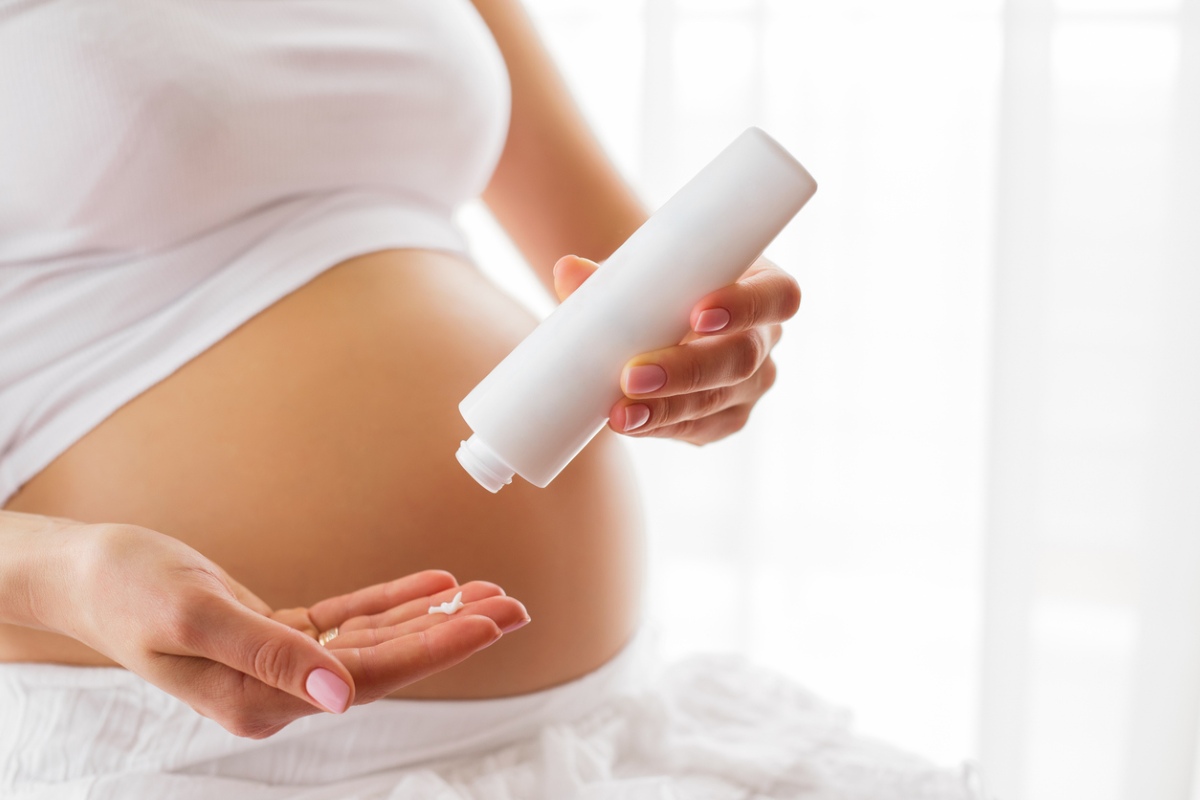
Pregnancy is a transformative journey, and along with the many changes happening in your body, your skin undergoes significant shifts too. From the radiant “pregnancy glow” to unexpected sensitivities, these changes are largely influenced by hormonal fluctuations, increased blood flow, and the stretching of your growing belly.
Here’s what you need to know about common skin changes during pregnancy and how to care for your skin safely.
Common Skin Changes During Pregnancy
The Pregnancy Glow
The increased blood flow and oil production during pregnancy can give your skin a radiant appearance. However, this glow may also lead to breakouts or greasiness.
Care Tip: Stick to a gentle, non-comedogenic cleanser to prevent clogged pores without over-drying your skin.
Hyperpigmentation and Melasma
Dark patches, known as melasma or the “mask of pregnancy,” often appear on the face. You may also notice a dark line down your abdomen, the linea nigra.
Care Tip: Use a pregnancy-safe mineral sunscreen with zinc oxide or titanium dioxide daily to protect your skin from UV damage, which can worsen pigmentation.
Stretch Marks
As your belly grows, the skin stretches, leading to stretch marks on the stomach, thighs, breasts, or hips.
Care Tip: Keep skin moisturized with products containing shea butter or cocoa butter. While they won’t prevent stretch marks completely, they can improve skin hydration and comfort.
Acne and Oiliness
Hormonal fluctuations can cause breakouts, especially during the first trimester.
Care Tip: Opt for products with azelaic acid or glycolic acid, which are generally considered safe during pregnancy. Avoid harsh exfoliants and always check with your OB/GYN before introducing new treatments.
Sensitive or Itchy Skin
Skin stretching and hormonal changes can lead to dryness, irritation, or itchiness. This is usually mild and manageable, but in some cases, severe or persistent itching may indicate a medical condition like intrahepatic cholestasis of pregnancy (ICP) or pruritic urticarial papules and plaques of pregnancy (PUPPP).
Care Tip: Use fragrance-free, hypoallergenic moisturizers and avoid hot showers, which can dry out your skin further.
When to Call Your Doctor:
Report itchiness to your doctor if:
- It becomes severe or persistent.
- It worsens at night.
- It is accompanied by symptoms like a rash, yellowing of the skin or eyes, or dark urine.
Spider Veins and Varicose Veins
Increased blood flow and pressure on veins can cause spider veins or varicose veins, particularly on the legs.
Care Tip: Stay active, elevate your legs when resting, and wear compression stockings if needed. Avoid standing for extended periods.
Skin Changes During Pregnancy That Are Not Normal (And What They Could Mean)
While many skin changes during pregnancy are common and harmless, certain changes could indicate underlying medical conditions that require prompt attention. Being aware of these unusual changes can help you identify when to seek medical advice.
Severe Itching (Especially on Palms of the Hands and Soles of the Feet)
What It Could Mean:
This could be a sign of Intrahepatic Cholestasis of Pregnancy (ICP), a liver disorder that affects the flow of bile. ICP can lead to complications like preterm birth or fetal distress if left untreated.
What to Watch For:
Severe itching, especially at night, without a visible rash. Other symptoms might include dark urine, pale stools, or jaundice (yellowing of the skin or eyes).
What to Do:
Contact your OB/GYN immediately. A blood test can diagnose ICP, and treatment may involve medication and close monitoring of the baby.
Rashes or Raised Bumps
What It Could Mean:
Conditions like Pruritic Urticarial Papules and Plaques of Pregnancy (PUPPP) or Pemphigoid Gestationis (a rare autoimmune skin condition) may present with rashes.
What to Watch For:
PUPPP: Red, itchy bumps or plaques typically on the abdomen, thighs, or buttocks, usually appearing in the third trimester.
Pemphigoid Gestationis: Blisters or raised, hive-like lesions that often start around the navel and spread.
What to Do:
For PUPPP, your doctor may recommend antihistamines or topical steroids to ease itching. Pemphigoid Gestationis requires more aggressive treatment, such as systemic corticosteroids.
Sudden Darkening or Changes in Moles
What It Could Mean:
Rapid changes in moles or new dark spots could indicate melanoma, a type of skin cancer. While some darkening is common during pregnancy, any changes in size, shape, or color of moles should be evaluated.
What to Watch For:
Moles that are asymmetrical, have uneven borders, or vary in color. Look for growth, bleeding, or itching in the area.
What to Do:
Schedule an appointment with a dermatologist for a skin evaluation.
Painful or Oozing Skin Lesions
What It Could Mean:
Painful, oozing, or crusted lesions could indicate a bacterial infection or a condition like Herpes Gestationis (an autoimmune blistering disorder, unrelated to the herpes virus).
What to Watch For:
Lesions that appear inflamed, ooze pus, or spread rapidly. Other signs may include fever or malaise.
What to Do:
Seek immediate medical attention. Treatment may involve antibiotics or other medications depending on the cause.
Yellowing of Skin or Eyes
What It Could Mean:
Yellowing of the skin or eyes (jaundice) could be a symptom of liver issues, such as ICP or acute fatty liver of pregnancy (AFLP), a rare but serious condition.
What to Watch For:
Jaundice, along with nausea, vomiting, abdominal pain, or extreme fatigue.
What to Do:
Call your OB/GYN immediately. These conditions require urgent medical intervention.
Persistent Facial Swelling with Skin Changes
What It Could Mean:
Sudden or persistent facial swelling, along with skin discoloration, could be a warning sign of preeclampsia, a pregnancy-related condition characterized by high blood pressure.
What to Watch For:
Swelling in the face, hands, or feet, along with symptoms like headaches, vision changes, or upper abdominal pain.
What to Do:
Seek immediate medical care. Preeclampsia can lead to complications for both mother and baby if not treated.
Unexplained Bruising or Bleeding Under the Skin
What It Could Mean:
This could indicate a blood clotting disorder or low platelet levels (thrombocytopenia), which may affect labor and delivery.
What to Watch For:
Frequent bruises, red spots, or excessive bleeding from minor cuts.
What to Do:
Inform your OB/GYN, who may order blood tests to evaluate clotting and platelet levels.
Chemicals to Avoid During Pregnancy (And Why)
Pregnancy is a time to be extra mindful of what you put on your skin, as some chemicals can potentially affect your baby. Here’s a breakdown of common ingredients to avoid and the reasons why:
Retinoids (Retinol, Tretinoin, Isotretinoin)
Why to Avoid:
Retinoids, derived from Vitamin A, are often found in anti-aging and acne treatments. High-dose retinoids, particularly oral isotretinoin, have been linked to severe birth defects, including abnormalities in the brain, heart, and face. Topical retinoids like tretinoin and retinol are absorbed less but still carry some risk. Avoid them entirely to err on the side of caution.
Salicylic Acid (High Concentrations)
Why to Avoid:
Low concentrations (under 2%) in products like face washes are generally safe. However, high-dose treatments such as chemical peels containing salicylic acid can be absorbed into the bloodstream, potentially leading to complications, including salicylate toxicity. Stick to mild concentrations and consult your OB/GYN for clarity.
Benzoyl Peroxide
Why to Avoid:
This popular acne treatment is considered low-risk in small concentrations, but studies on its effects during pregnancy are limited. It can cause skin irritation or dryness, which may exacerbate pregnancy-related sensitivities. Always consult your doctor before using products with benzoyl peroxide.
Phthalates and Parabens
Why to Avoid:
These chemicals, often used as preservatives or to enhance product textures, are known endocrine disruptors. They can interfere with your hormone levels, which are already in flux during pregnancy. While evidence of harm to your baby is inconclusive, opting for paraben- and phthalate-free products minimizes potential risks.
Formaldehyde and Formaldehyde Releasers
Why to Avoid:
Common in nail polishes and certain hair treatments, formaldehyde is a known carcinogen and can irritate your skin or respiratory system. Prolonged exposure has been linked to adverse effects on both maternal and fetal health, so avoiding products containing formaldehyde is advisable.
Chemical Sunscreens
Why to Avoid:
Certain ingredients in chemical sunscreens, like oxybenzone, have been identified as endocrine disruptors. These chemicals can mimic or interfere with hormones, potentially affecting fetal development. The American College of Obstetricians and Gynecologists (ACOG) advises choosing mineral-based sunscreens with zinc oxide or titanium dioxide as a safer alternative.
When to Consult Your OB/GYN
If you notice unusual skin changes, such as severe rashes, hives, or changes in moles, consult your OB/GYN immediately. Conditions like pruritic urticarial papules and plaques of pregnancy (PUPPP) or intrahepatic cholestasis of pregnancy (ICP) may require medical attention.
At Legacy For Women OB/GYN, we’re here to support you through every stage of your pregnancy journey, including caring for your skin. If you have questions about skin care or any other pregnancy-related concerns, our team is just a call away.