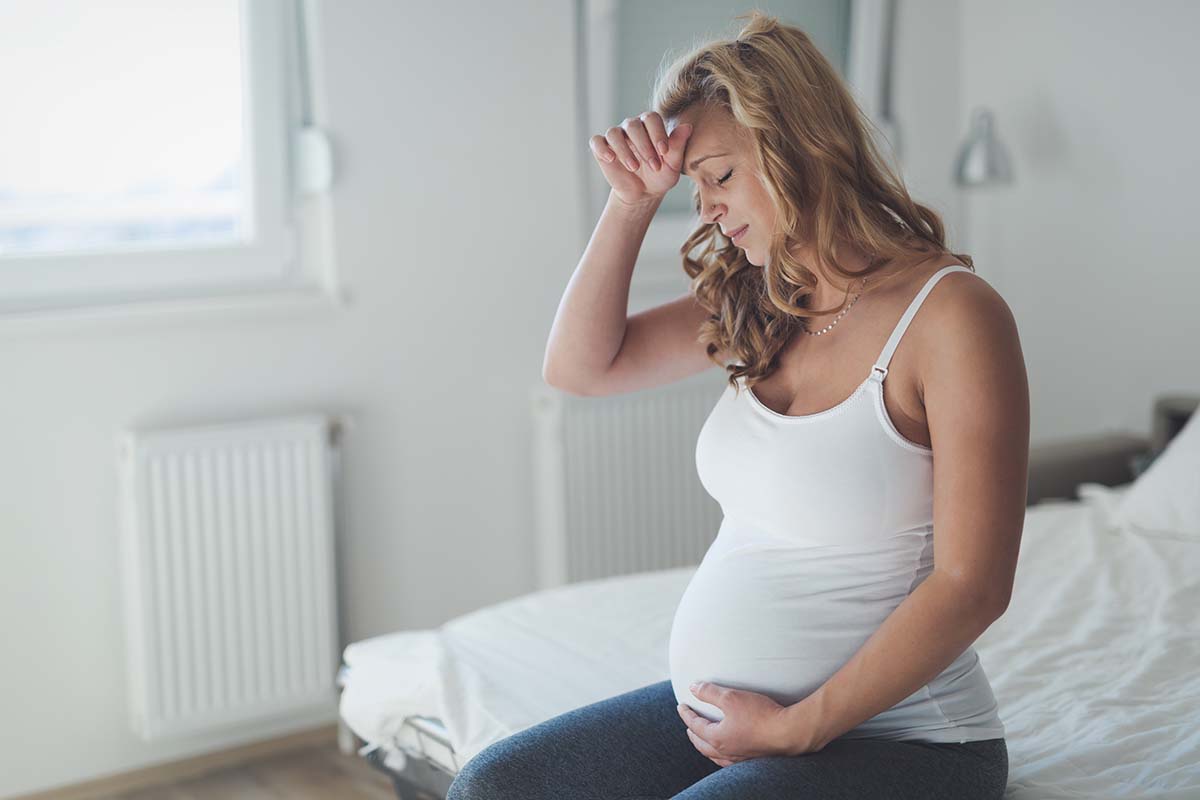
Understanding Pregnancy Headaches
Experiencing headaches during pregnancy is a common occurrence for many expectant mothers. These headaches, while often manageable, can range in intensity and duration. In the worst case, they can impact daily routines and profoundly affect your quality of life. So, knowing the signs, symptoms, and management options for pregnancy headaches is important.
What Does a Pregnancy Headache Feel Like?
Pregnancy headaches vary in their location, intensity, and duration. They often occur at the front or sides of the head and are associated with discomfort that can either be mild or severe. The headache may also be described as throbbing. In some cases, the headache may appear as a migraine where individuals experience a pulsating or throbbing pain, usually on one side of the head, accompanied by sensitivity to light and sound.
What Causes Pregnancy Headaches?
Pregnancy headaches can be attributed to several factors, such as:
- Hormonal Changes: Fluctuating hormone levels can trigger headaches, especially in the first and third trimesters.
- Increased Blood Volume: During pregnancy, there’s an increase in blood volume and circulation, which can sometimes lead to headaches.
- Stress and Fatigue: The physical and emotional changes that come with pregnancy can lead to stress and tension, which can manifest as ongoing headaches.
- Dehydration: Inadequate fluid intake can lead to dehydration, a common headache trigger.
- Lack of Sleep: A lack of sleep for a sustained time can increase the likelihood of developing a headache.
Risk Factors for Pregnancy Headaches
While pregnancy headaches can happen to anyone, some factors may increase your risk of developing them. This includes:
- History of Headaches – If you usually suffer from headaches prior to pregnancy, you might be more prone to experiencing them during pregnancy.
- First Trimester – Headaches are more common in the first trimester as your body adjusts to hormonal changes. However, throughout your pregnancy, the frequency and duration of headaches tend to lessen.
When Should You Seek Medical Advice?
While headaches during pregnancy are common, sure signs warrant immediate medical attention. These include:
- Severe and Persistent Pain: Intense headaches that don’t improve with rest or medication.
- Vision Changes: Blurred vision, double vision, or light sensitivity experienced with a headache.
- Nausea and Vomiting: Headaches accompanied by persistent nausea or vomiting.
- Sudden Onset: A sudden and severe headache should prompt medical attention, especially in the second or third trimester.
- Headaches and Preeclampsia: Pre-eclampsia is a type of high blood pressure that develops after 20 weeks of pregnancy. It can be associated with signs of damage to other organ systems such as the kidneys, liver, blood, or brain. Alongside a severe headache, symptoms associated with preeclampsia are
- Changes in vision, including temporary loss of vision, blurred vision, or light sensitivity
- Upper abdominal pain
- Nausea or vomiting
If you are experiencing any of these symptoms, make an appointment to see your doctor urgently. If you doubt the nature of the headache, it is better to err on the side of caution and make an appointment.
Managing Headaches
If you experience headaches during pregnancy, keep your doctor informed. They can help determine the cause of the headache and recommend an appropriate management plan.
To diagnose pregnancy headaches, your doctor will take an entire medical history, perform a physical exam, and recommend further testing if required. For example, your doctor may recommend blood pressure monitoring or tests to check for preeclampsia.
Steps You Can Take to Help Manage Headaches
If your headache does not include any of the important signs or symptoms mentioned above, there are steps that you can take to help lessen the impact of a headache or lower the frequency. These include
- Stay Hydrated – Drink plenty of water throughout the day to prevent dehydration, a common headache trigger.
- Maintain a Regular Sleep Schedule – Aim for adequate and consistent sleep to minimize stress-related headaches.
- Manage Stress – Practice relaxation techniques like deep breathing, meditation, or prenatal yoga to reduce stress and tension.
- Diet and Nutrition – Maintain a balanced diet and identify and avoid potential food triggers that may lead to headaches. Headache triggers include allergens and foods like monosodium glutamate, cured meats, and strong cheeses.
- Physical Activity – Gentle exercises, like walking, can help relieve tension and improve overall well-being.
- Lastly, rest in a cool, dark room with no noise if your headache is a migraine.
Pregnancy headaches can be an uncomfortable part of pregnancy, but with knowledge about their causes, management advice, and an understanding of when to seek medical help, pregnant mothers can navigate this phase more comfortably. Communication with your doctor is crucial for diagnosis, management, and ensuring that all aspects of your pregnancy are well managed.